

When tooth decay compromises the strength and structure of a tooth, a composite filling can rebuild its natural shape while restoring function and appearance. Composite fillings are made from advanced, tooth-colored resin materials that blend seamlessly with your smile, offering a strong and aesthetically pleasing solution for cavities.
At the office of Ashford Dental Sherman Oaks, we use modern composite materials designed to bond directly to your natural tooth structure. This bonding process not only restores the tooth but also helps reinforce it, providing durable, long-lasting protection with a natural look and feel.
Composite fillings are often referred to as “white” or “tooth-colored” fillings because they are carefully shade-matched to your surrounding teeth. Unlike traditional metal restorations, composites are mercury-free and metal-free, making them a popular choice for patients seeking a more natural restoration.
Because composite material bonds directly to enamel and dentin, less healthy tooth structure typically needs to be removed during preparation. This conservative approach helps preserve more of your natural tooth while providing a secure seal against bacteria and future decay.

If a cavity is detected, we will gently and precisely remove the decayed portion of the tooth. In most cases, treatment is completed in a single visit and performed under local anesthesia to ensure your comfort.
Once the area is prepared, the composite resin is applied in layers. Each layer is carefully shaped and hardened using a special curing light. This step-by-step process allows us to sculpt the material so it closely matches the tooth’s natural contours and bite. After placement, the filling is polished and adjusted to ensure a smooth finish and comfortable fit.
At Ashford Dental Sherman Oaks, patient comfort is always a priority. We take time to explain each step of the process and are happy to discuss options such as sedation dentistry for patients who may feel anxious about treatment.
After your appointment, it’s normal to experience temporary numbness from local anesthesia. Be careful not to bite your lips, cheeks, or tongue until sensation fully returns.
Some mild sensitivity to hot or cold foods may occur for a few days as your tooth adjusts. This is typically temporary and should resolve on its own. If sensitivity persists or you experience discomfort when biting, please contact our office so we can evaluate and make any necessary adjustments.
With good oral hygiene and routine dental visits, composite fillings can provide many years of reliable service. Brushing, flossing, and maintaining regular checkups at Ashford Dental Sherman Oaks will help protect both your restoration and your overall oral health.
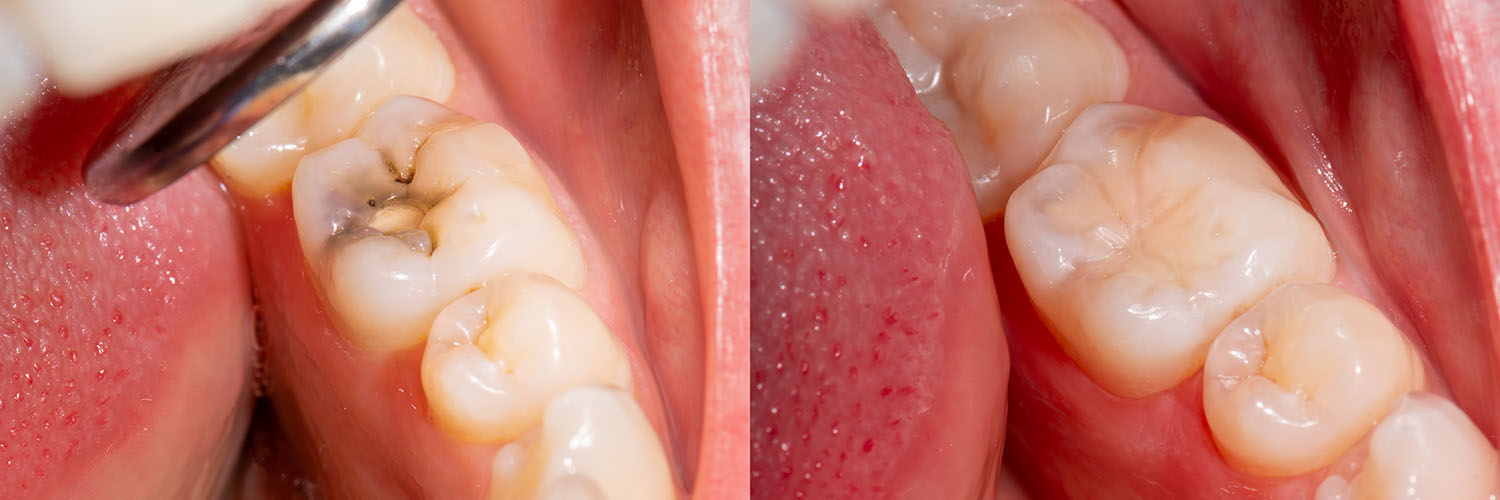
Our goal is to restore your tooth in a way that looks natural, feels comfortable, and supports long-term oral health. If you have any questions about composite fillings or cavity treatment, we’re here to help.
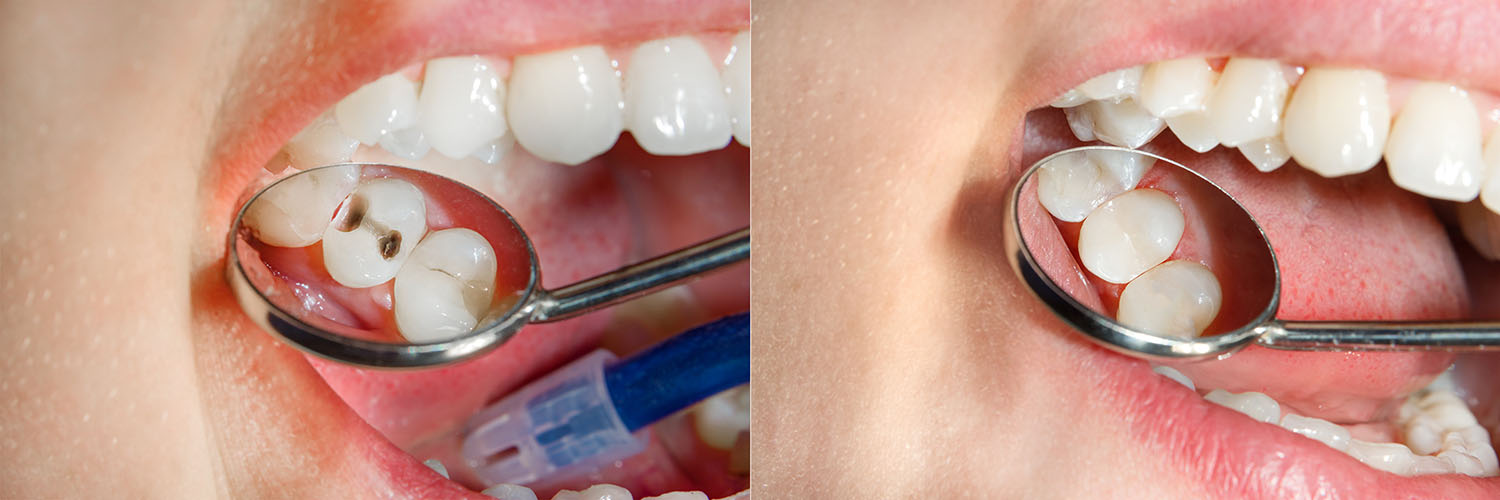
Dental fillings are restorative materials placed into a tooth to repair damage caused by decay or minor injury. They rebuild the tooth's natural shape and restore chewing function while preventing further breakdown of the remaining tooth structure. Fillings also help seal the tooth against bacteria to reduce the risk of recurrent decay.
When decay is caught early, a filling preserves more healthy tooth structure than more extensive restorations. The procedure is one of the most common and conservative ways to return a tooth to normal form and function. Choosing the right filling material balances longevity, strength, and appearance to meet each patient's needs.
Common filling materials include composite (tooth-colored) resins, dental amalgam, glass ionomer cements, ceramic restorations, and gold. Composite resins are valued for their aesthetic match to natural teeth, while amalgam has a long history of durability. Glass ionomers bond chemically to tooth structure and release fluoride, and ceramics and gold are indirect options known for wear resistance and longevity.
These materials differ in appearance, strength, and the way they are placed; some are placed directly in one visit while others are fabricated outside the mouth and cemented later. Selection depends on the location and size of the cavity, the patient's bite forces, and aesthetic priorities. Your provider will explain the trade-offs to help determine the best option for each tooth.
At the office of Ashford Dental Sherman Oaks the process begins with a clinical exam and any necessary X-rays to confirm the extent of decay. Treatment typically involves isolating the tooth, administering local anesthesia to ensure comfort, removing decayed tissue, and preparing the cavity for restoration. The preparation may use a dental handpiece, laser, or air abrasion depending on the situation and the clinician's judgment.
The method of placing the filling depends on the chosen material; direct materials like composite or glass ionomer are placed and shaped in the same appointment, while ceramic or gold inlays may require a second visit. After placement the dentist checks and adjusts the bite and polishes the restoration to ensure a comfortable, functional result. Most straightforward fillings can be completed in about an hour, though times vary with complexity.
Composite fillings offer a close match to tooth color and bond to the remaining tooth structure, which can preserve more natural tooth during preparation. They are often preferred for visible front teeth or small to moderate restorations where appearance matters. Because composites bond chemically, they can also help reinforce weakened tooth walls in some cases.
Amalgam remains a strong and durable choice, particularly for large restorations on back teeth that endure heavy chewing forces. The best material depends on the location and size of the cavity, the patient's oral habits, and long-term goals for the tooth. Your dentist will discuss the advantages and limitations of each material to guide a clinically appropriate choice.
The lifespan of a filling varies by material, location in the mouth, the extent of the cavity, and individual oral habits. Some restorations function well for many years, while others may show wear or deterioration sooner, especially in areas exposed to heavy chewing or bruxism. Regular dental checkups allow the team to monitor restorations and detect early signs of wear or recurrent decay.
Oral hygiene, diet, chewing patterns, and parafunctional habits such as grinding significantly influence how long a filling will last. Proper home care with brushing and flossing reduces the chance of secondary decay at the margins of a restoration. When problems are identified early, repairs or selective replacement can often preserve more of the tooth than delayed treatment.
Most filling procedures are performed under local anesthesia, which numbs the tooth and surrounding tissues so that patients feel little to no pain during treatment. You may feel pressure or vibration but not sharp pain while the dentist removes decay and places the restoration. After the appointment some mild soreness or short-term sensitivity is common as the nerve adjusts to the treatment.
Ashford Dental Sherman Oaks can discuss additional options for patients who feel anxious about dental visits, including behavior support and certain forms of sedation when clinically appropriate. The choice of sedation is based on medical history, procedure complexity, and patient comfort. Your provider will review benefits and any precautions so you can make an informed decision before treatment.
Immediately after a filling you may experience temporary numbness, so avoid chewing until normal sensation returns to prevent accidentally biting your cheek or tongue. It is normal for a restored tooth to feel slightly different for a few days as the bite settles and any minor sensitivity diminishes. If the bite feels uneven after the anesthetic wears off, contact the office so the dentist can make a quick adjustment.
Maintain a routine of brushing twice daily with fluoride toothpaste and flossing daily to protect the filled tooth and adjacent teeth from future decay. Avoid persistent habits that stress the restoration, such as chewing ice or opening packages with your teeth. Regular dental exams and cleanings help detect any issues early and extend the service life of the restoration.
Small chips or marginal defects can sometimes be repaired with composite bonding without removing the entire restoration, depending on the material and extent of the problem. If there is recurrent decay, a fracture, or extensive wear, full replacement of the filling may be the most predictable option to restore tooth health. Your dentist will evaluate the tooth with a clinical exam and radiographs to determine whether repair or replacement is appropriate.
In cases where a filling has failed repeatedly or a large portion of the tooth structure is missing, the tooth may benefit from a more durable indirect restoration such as an inlay, onlay, or crown. These options are designed to provide additional strength and protection when simple replacement is unlikely to yield the best long-term outcome. The treatment plan will be tailored to preserve tooth structure while restoring function and comfort.
Fillings for children often prioritize conservative materials and techniques that balance durability with the expected lifespan of primary teeth. Glass ionomer cements are commonly used for certain pediatric situations because they bond to tooth structure and release fluoride, which can help protect the tooth. The approach also takes into account behavior management and the child's comfort to create a positive dental experience.
When a primary tooth has significant decay, the goal is to preserve function and space until natural exfoliation while preventing pain and infection. In some cases a stainless steel crown or other restoration may be recommended instead of a large filling for greater longevity. Regular preventive care, including sealants and topical fluoride, reduces the likelihood of needing restorations in the first place.
A filling is usually the best choice for small to moderate areas of decay where sufficient healthy tooth structure remains to support a direct restoration. When decay or fracture affects a large portion of the tooth, or when cusps need to be reinforced, an indirect restoration such as an inlay, onlay, or crown provides greater strength and long-term protection. The decision depends on the remaining tooth structure, functional demands, and the goal of preserving as much natural tooth as possible.
Your dentist will assess the extent of the damage, take any necessary X-rays, and explain the pros and cons of each approach. Indirect restorations are fabricated outside the mouth and then cemented, offering superior wear resistance and fit for larger defects. A treatment plan that matches the structural needs of the tooth helps reduce the risk of future complications and repeat treatment.
Phone:
