

At the office of Ashford Dental Sherman Oaks, the health and development of your child's smile are our highest priorities. We aim to give young patients the preventive care, guidance, and positive dental experiences that set the foundation for a lifetime of strong oral health and confident smiles.

Good dental health begins long before permanent teeth appear. Early, consistent visits help children become comfortable with the dental environment and allow clinicians to track growth patterns and detect concerns when they are easiest to treat. We focus on creating a calm, friendly experience that reduces fear and builds trust with both child and caregiver.
Prevention is the most effective strategy for keeping smiles healthy. During routine visits we emphasize practical daily habits—age-appropriate brushing, supervised flossing, and the right approach to toothpaste and fluoride usage—so families leave armed with clear, achievable steps they can follow at home.
Our team also works to make each visit educational. We demonstrate techniques in ways children can understand, answer caregiver questions with plain language, and tailor recommendations to a child's developmental stage. That combination of gentle care and straightforward guidance helps children take ownership of their oral hygiene as they grow.
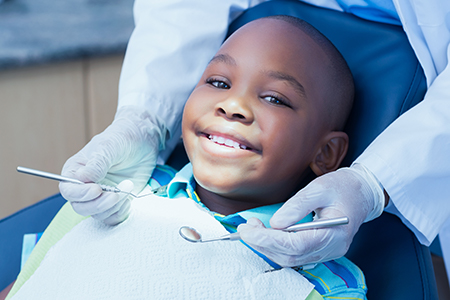
Regular dental checkups do more than clean teeth; they provide a snapshot of how a child's mouth is developing. Our exams look beyond cavities to include jaw growth, bite alignment, and the way primary teeth are guiding future permanent teeth into place. Early observations make timely interventions less invasive and more effective.
Dental cleanings remove plaque and buildup from places a child’s toothbrush may miss, which lowers the chance of decay and gum irritation. During these visits we also review diet and habits that influence oral health—small changes at home can dramatically reduce future issues and keep kids feeling well and confident.
When necessary, we use digital radiographs to check what's happening beneath the surface. These images help us spot hidden cavities, evaluate tooth development, and monitor jaw bone health while minimizing exposure through modern, efficient technology.
Tooth decay remains one of the most common pediatric health concerns. Children are especially vulnerable because their enamel is thinner than that of adults, and frequent snacking or sugary drinks can accelerate the process. Recognizing risk factors early lets us apply protective measures that preserve both function and appearance.
Our approach blends practical prevention—like fluoride applications and targeted sealants—with parent education. Sealants provide a physical barrier on the chewing surfaces of molars where cavities often start, while topical fluoride strengthens enamel and helps teeth resist early decay.
We also counsel caregivers about habits that increase risk, from prolonged bottle use to frequent exposure to sweetened beverages. Small behavioral adjustments, combined with routine professional care, can significantly lower a child's chance of developing cavities that require restorative treatment.
Start dental care early and make appointments a regular part of your child's health routine.
Use age-appropriate brushes and techniques to keep baby and toddler teeth clean, and supervise brushing until children can do a thorough job alone.
Avoid letting infants fall asleep with bottles containing milk or juice; opt for water if a bottle is needed at bedtime.
Bring your child in for scheduled checkups and professional cleanings so we can catch and treat problems early.
Lead by example—show children how you brush and floss, and make oral care a shared family routine.
Encourage healthier snacks and water between meals, reducing frequent sugar exposure that promotes decay.
Help children transition away from pacifiers and thumb-sucking at the appropriate time to minimize effects on bite development.
Protect active smiles—make sure kids wear a properly fitted mouthguard for sports and vigorous play.

Infant oral care starts with simple habits: gently cleaning gums after feedings, avoiding prolonged exposure to sugary liquids, and scheduling that first dental visit when the first tooth appears or by the child’s first birthday. Early attention helps prevent decay and establishes a positive pattern for future visits.
Teething can be uncomfortable, and while it often resolves on its own, there are safe ways to ease symptoms—cool teething rings, gentle gum massage, or a clean, damp cloth. If caregivers are ever unsure about symptoms or feeding changes, our team is available to advise on appropriate steps.
When baby teeth come in, they serve important roles beyond smiling: they aid in speech development, chewing, and preserving space for permanent teeth. Protecting these early teeth through good home care and timely professional checkups helps ensure a smoother transition as adult teeth arrive.
As children enter school, their dental needs evolve. New permanent teeth appear, oral habits change, and social factors like self-image can influence how teens care for their smiles. We provide age-appropriate education that respects a child’s growing independence while reinforcing the basics of effective hygiene.
Orthodontic concerns often become more apparent in the elementary years. Detecting misalignment or bite issues early allows for a conversation about timing and potential treatment paths. Whether it’s monitoring growth or recommending a referral, we help families understand what to watch for so decisions are informed and proactive.
For teenagers, dietary choices and oral hygiene routines play a large role in long-term outcomes. We emphasize strategies that fit busy schedules—quick brushing techniques, the importance of flossing, and sensible snack choices—to keep growing mouths healthy through the changing demands of school and activities.
Monitoring facial and jaw development is a routine part of pediatric care. Even when no immediate treatment is needed, periodic evaluations let us identify trends early. If orthodontic intervention is advisable, we’ll explain the reasons and recommend appropriate timing to achieve the best, least invasive results.
A balanced diet supplies the minerals and vitamins children need for healthy teeth and bones. Foods high in calcium and phosphorus support enamel strength, while minimizing sticky and sugary snacks reduces cavity risk. We work with families to translate general nutrition guidelines into practical choices for school lunches and busy days.
From the first tooth to the transition into adulthood, consistent care, realistic daily routines, and professional oversight make the difference in long-term oral health. At Ashford Dental Sherman Oaks, our goal is to equip families with clear guidance and compassionate care so children develop healthy habits and positive associations with dental visits.
If you'd like to learn more about pediatric services or discuss a specific concern, please contact us for additional information. We are here to help you navigate each stage of your child's dental development with confidence and clarity.
Pediatric dentistry is a dental specialty focused on the oral health needs of infants, children and adolescents, including those with special health care needs. Pediatric dentists are trained to manage growth and development, preventive care and behavior guidance using approaches tailored to young patients. Care emphasizes early detection and prevention so that problems are treated when they are least invasive and most predictable.
This specialty combines clinical techniques with communication strategies that help children feel safe and cooperative during visits. Regular pediatric care also supports speech development, chewing function and proper jaw growth as permanent teeth emerge. The goal is to establish healthy routines that protect a child’s smile through adolescence and beyond.
The American Dental Association and the American Academy of Pediatric Dentistry recommend a first dental visit by the child’s first birthday or within six months of the first tooth erupting. Early visits allow the clinician to assess oral development, identify risk factors for decay and demonstrate gentle home-care techniques to caregivers. Establishing a dental home early helps normalize visits and reduces anxiety for both child and family.
During the initial visit the clinician will review feeding practices, fluoride exposure and other behaviors that influence oral health. This appointment is brief and focuses on prevention, education and building trust so future appointments become routine. Early professional supervision makes it easier to prevent common problems and supports long-term oral wellness.
A typical pediatric checkup includes a friendly review of medical and dental history, a gentle exam of the teeth and jaws and a professional cleaning to remove plaque and soft deposits. The clinician evaluates eruption patterns, bite relationships and any signs of early decay or gum irritation, and may take digital radiographs when needed to view developing teeth. Appointments also include age-appropriate instruction on brushing, flossing and nutritional habits to reduce cavity risk.
Care is provided with a focus on making the child comfortable and involved, using simple explanations and demonstrations when helpful. Preventive treatments such as topical fluoride or sealants may be recommended based on individual risk, and the team will outline a follow-up plan tailored to the child’s needs. The visit is an opportunity for caregivers to ask practical questions about home care, teething or behavior concerns.
Cavity prevention combines consistent home care, smart dietary choices and routine professional visits to monitor risk and intervene early. Parents should help children brush twice daily with the right amount of fluoride toothpaste, supervise flossing as needed and limit frequent exposure to sugary snacks and drinks. Encouraging water between meals and offering balanced snacks helps reduce the conditions that promote decay.
In the dental office, clinicians use targeted measures such as topical fluoride applications and dental sealants on molars to strengthen enamel and protect chewing surfaces. Education about bottle use, sippy cups and night-time feeding practices is also important to prevent early childhood caries. With coordinated home and professional care, most cavities can be avoided or minimized.
Modern dental X-rays use very low radiation doses and are considered safe when used judiciously and with protective measures such as digital sensors and lead aprons. X-rays are scheduled based on a child’s individual risk and developmental stage; they help detect cavities between teeth, assess root formation and monitor the alignment of permanent teeth before they erupt. Clinicians follow established guidelines to limit exposure while obtaining the diagnostic information needed for safe care.
For many young children routine radiographs are taken only when clinically indicated rather than at every visit, particularly if there are signs of decay or a history of high risk. When X-rays are recommended, the dental team will explain the reason and the steps taken to minimize exposure. This targeted approach balances diagnostic benefit with safety and comfort for pediatric patients.
An orthodontic evaluation is commonly recommended by age 7 because this is a time when permanent teeth begin to appear and underlying jaw growth can be assessed. Early evaluation allows clinicians to identify issues such as severe crowding, crossbite or significant jaw discrepancies that may benefit from early intervention or monitoring. Not every child needs immediate treatment, but timely assessment ensures that families understand the best timing for any necessary orthodontic care.
Pediatric dental visits include monitoring of bite relationships and growth patterns so the dental team can recommend a specialist referral when appropriate. If intervention is suggested, the orthodontist will discuss treatment goals, possible appliance options and a recommended timeline that aims to be as conservative and effective as possible. Coordinated care between the pediatric dentist and orthodontist helps achieve predictable outcomes while preserving a child’s oral health.
Teething discomfort is common and often peaks when primary teeth are erupting, but it can usually be managed at home with simple, safe measures. Caregivers can offer a cool, clean teething ring or a damp washcloth to chew on, gently massage the gums with a clean finger and provide extra comfort and reassurance during episodes of irritability. Over-the-counter oral gels or medications should be used only under a pediatrician’s guidance and with careful attention to age-appropriate dosing.
If symptoms such as prolonged high fever, severe swelling or disrupted feeding occur, caregivers should contact their child’s medical or dental provider to rule out other causes. The dental team can advise on safe strategies and reassure parents about normal teething timelines. With gentle care and monitoring, most teething discomfort resolves without the need for medical intervention.
Pacifier use and thumb-sucking are common calming behaviors in infants and young children and usually do not affect dental development if they stop by around age 3 to 4. Prolonged or intense sucking habits can influence the position of teeth and the growth of the jaw over time, so timely guidance and gradual behavior change are important when these habits persist. The dental team can provide strategies to help children transition away from sucking, including positive reinforcement and substitution techniques.
If a habit continues past the preschool years or starts to alter bite alignment, a pediatric dentist can evaluate potential effects and discuss intervention options. Early, supportive counseling helps families avoid unnecessary stress and reduces the likelihood of later orthodontic complications. The emphasis is on practical, age-appropriate steps that support healthy oral development.
Pediatric dental emergencies include injuries such as knocked-out teeth, severe pain, visible swelling or objects lodged in teeth and soft tissues, and they require prompt assessment to prevent complications. Caregivers should contact the dental office immediately for guidance; first-aid measures such as controlling bleeding, rinsing the mouth with water and preserving a displaced tooth in milk or saliva (when appropriate) can be helpful while arranging urgent care. The dental team will prioritize rapid evaluation and determine whether same-day treatment is necessary.
At the office we focus on relieving pain, stabilizing injuries and providing follow-up plans that support healing and growth. For traumatic injuries to primary teeth, treatment decisions balance short-term comfort with the long-term health of developing permanent teeth. Clear communication with caregivers about signs to watch for and the recommended next steps helps ensure the best possible outcome.
Preparation begins with regular, calm exposure to the dental environment and age-appropriate conversations that frame visits as a normal part of health care. Parents can read children’s books about the dentist, role-play brushing and exams at home, and describe the visit in simple, reassuring language to set expectations. Avoiding threat-based statements and instead focusing on what the child will see and hear helps reduce fear and build trust.
On the day of the appointment caregivers should bring comfort items if helpful and arrive early to complete any forms and allow the child time to acclimate. The dental team aims to create a gentle, child-centered visit and will work with parents to use distraction, positive reinforcement and clear explanations to foster cooperation. At Ashford Dental Sherman Oaks we prioritize a relaxed atmosphere and practical guidance so families leave feeling confident about ongoing care.
Phone:
