

Gum disease is the leading cause of adult tooth loss, and it can advance quietly for years before causing serious damage. According to the Centers for Disease Control and Prevention, roughly half of adults over 30 in the United States show signs of periodontal disease. At the office of Ashford Dental Sherman Oaks, we focus on prevention, early detection, and treatments that preserve both the health and appearance of your smile.
Periodontal disease begins when bacteria in dental plaque irritate the tissues that surround and support the teeth — the gums, connective tissues, and jawbone collectively known as the periodontium. Left unchecked, this inflammation can progress from a reversible surface problem to deeper tissue destruction that undermines the stability of your teeth.
In the earliest stage, the body’s immune response creates redness, swelling, and bleeding as it attempts to fight the bacterial buildup at the gumline. Over time, plaque hardens into calculus (tartar), which anchors bacteria and makes daily hygiene less effective unless professional cleaning removes it.
Because periodontal disease can develop without pain at first, regular dental exams are essential. Detecting changes in gum health early makes it far more likely that conservative care will restore healthy tissues and prevent long-term damage.
Common signs to watch for include:
Gums that appear red, swollen, or tender
Bleeding during brushing or flossing
Receding gumlines or exposed root surfaces
Increased tooth sensitivity to hot and cold
Ongoing bad breath or an unpleasant taste
Teeth that feel loose or shifting bite patterns
Pockets or new gaps forming between teeth
Discharge near the gumline or discomfort when chewing

Healthy gums are about more than a confident smile. Chronic inflammation and infection in the mouth can influence overall health, and research has linked periodontal disease with conditions such as diabetes, cardiovascular disease, and certain respiratory illnesses. Managing gum disease supports better whole-body health and reduces risk factors that affect other systems.
Preventive care and timely treatment reduce the bacterial load and the inflammatory response that can spill over into the rest of the body. Routine exams, professional cleanings, and personalized home care are all part of a comprehensive strategy to lower systemic risk and keep oral tissues functioning normally.
We emphasize collaborative care: by working with you to create predictable maintenance plans and by coordinating care when medical conditions influence oral health, our goal is to preserve both your dental stability and your general well-being.
Gingivitis is the first stage of gum disease and is marked primarily by inflammation that has not yet damaged the deeper supporting structures. Typical signs include gums that bleed during brushing, mild swelling, and a change in gum color or texture. These symptoms signal that plaque control needs attention before more severe problems develop.
The encouraging news about gingivitis is that it is usually reversible. With professional cleanings to remove tartar and a focused home-care routine—brushing effectively, daily flossing, and sometimes the use of prescribed rinses—the tissues can often return to a healthy state without the need for invasive procedures.
Our approach is practical and patient-centered: we assess how oral hygiene habits, diet, medications, and other factors may be contributing to inflammation, then recommend realistic adjustments and follow-up care to ensure the condition resolves and remains controlled.

If gingivitis is not treated, it can progress to periodontitis — a stage where the infection extends deeper and begins to damage the fibers and bone that anchor teeth. As pockets form and deepen between teeth and gums, bacteria thrive in spaces that are difficult to clean with routine oral hygiene alone.
Periodontitis leads to measurable loss of attachment and bone; left unmanaged, this process compromises tooth stability, changes the way teeth fit together, and can ultimately result in tooth loss. Because the damage at this stage can be permanent, treatment focuses on stopping progression and rebuilding what is feasible.
Modern periodontal care aims to arrest destructive processes, minimize pocket depth, and, when appropriate, use regenerative techniques to restore lost tissue. Early intervention and careful maintenance are essential to protect long-term function and appearance.
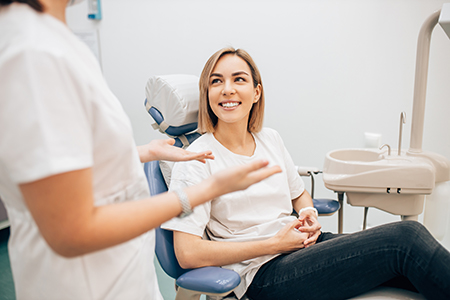
Treatment is tailored to the stage and severity of disease, your overall health, and your goals for function and aesthetics. Care plans typically begin with thorough diagnostics and a conversation about realistic outcomes. From there, clinicians use a stepwise approach that prioritizes the least invasive options while keeping more advanced therapies available when necessary.
Our office employs a range of evidence-based treatments to control infection, reduce pocket depth, and support tissue healing. We emphasize techniques that improve the ease of at-home care so that gains made in the dental chair can be preserved over time.
When periodontal disease is detected early or is moderate in severity, non-surgical methods are often successful in restoring stability. Scaling and root planing — deep cleanings that remove plaque and calculus from below the gumline and smooth the root surfaces — remain foundational because they directly eliminate the bacterial reservoirs that sustain inflammation.
Adjunctive measures may include targeted antimicrobial agents placed beneath the gums or short courses of systemic medication when appropriate. In many cases, these interventions, combined with an improved home-care routine and regular periodontal maintenance visits, are sufficient to control the disease and prevent recurrence.
Minimally invasive options, including focused use of laser therapy when indicated, can complement conventional care by reducing pocket depths and promoting a more hospitable environment for healing without extensive surgical intervention.
When pockets remain deep despite conservative therapy or when structural damage to bone and tissue is present, surgical solutions are considered to access and decontaminate root surfaces, recontour tissues, and facilitate regeneration. Procedures are selected to address the specific pattern of tissue loss while aiming to preserve or restore tooth support.
Flap procedures allow clinicians to lift gum tissue for direct cleaning of root surfaces and to reshape bone or soft tissue as needed. In many cases, regenerative techniques such as bone grafting, barrier membranes, or biologic agents can stimulate new tissue growth in areas of bone loss, improving both function and the long-term prognosis of affected teeth.
The goals of surgical care include:
Eliminate subgingival bacterial deposits and thoroughly decontaminate root surfaces
Stop further bone loss and reestablish healthier contours of the supporting structures
Reduce pocket depth to make daily cleaning more effective and long-term maintenance more predictable
When surgery is recommended, the plan will be explained in detail, including expected healing, maintenance needs, and how the procedure fits within a broader strategy for lasting oral health.
Whether you are working to reverse early inflammation or managing a more advanced condition, thoughtful treatment combined with consistent maintenance can preserve your smile and overall health. If you’d like to learn more about periodontal care and the options available, please contact us for more information.
Periodontal disease, often called gum disease, is an inflammatory condition that affects the tissues surrounding and supporting the teeth. It begins when plaque bacteria irritate the gums and, if left unchecked, can progress to damage the connective tissues and jawbone. Early-stage disease, known as gingivitis, is generally reversible with proper care, while advanced stages can lead to permanent tissue and bone loss.
Understanding the difference between gingivitis and periodontitis is important for choosing the right treatment. Gingivitis primarily involves redness, swelling and bleeding without loss of attachment, whereas periodontitis produces pockets, tissue destruction and measurable bone loss. Timely detection and a tailored care plan can often halt progression and preserve natural teeth.
The primary cause of periodontal disease is bacterial plaque that accumulates at the gumline and below it, provoking an inflammatory response. Contributing factors include poor oral hygiene, tobacco use, certain medications, systemic health conditions like diabetes, genetic predisposition and shifts in the oral microbiome. Lifestyle and medical conditions that impair the immune response can increase both risk and severity.
Risk increases with age, smoking, uncontrolled systemic disease and inconsistent professional care. Pregnancy and some medications can also change gum tissue response and make inflammation more likely. Identifying and managing these factors is a key part of a comprehensive prevention and treatment strategy.
Early warning signs include gums that are red, swollen or tender and that bleed during brushing or flossing. Patients may also notice persistent bad breath, a change in gum color or the development of slight gum recession and increased tooth sensitivity. These symptoms often appear before pain or obvious tooth instability, so they should not be ignored.
Regular dental exams help detect subtle changes that patients might miss at home, such as pocket formation or early attachment loss. If you notice any of these signs, scheduling an evaluation allows your clinician to recommend timely, conservative measures to reverse or control the disease. Prompt attention improves the likelihood of restoring healthy gum tissue and preventing long-term damage.
Diagnosis begins with a thorough clinical exam that includes measuring periodontal pocket depths, assessing gum attachment, checking for bleeding on probing and evaluating tooth mobility. Your dentist or hygienist will also review medical history, medications and habits that influence oral health. Digital X-rays or CBCT scans may be used to evaluate bone levels and detect areas of hidden loss.
At Ashford Dental Sherman Oaks, diagnostic information is combined with a review of home-care practices to develop an individualized care plan. Accurate diagnosis guides whether non-surgical therapy, surgical intervention or a maintenance program is most appropriate. Ongoing monitoring after treatment helps ensure stability and early detection of any recurrence.
Non-surgical therapy typically starts with scaling and root planing, a deep cleaning that removes plaque and tartar from above and below the gumline and smooths root surfaces to discourage bacterial reattachment. Adjunctive measures may include localized delivery of antimicrobial agents beneath the gums or, in selected cases, a short course of systemic antibiotics. Laser therapy and antimicrobial rinses can sometimes complement conventional care.
These interventions are usually paired with education on improved home care techniques, such as optimized brushing and interdental cleaning, to prevent re-accumulation of plaque. Regular periodontal maintenance visits are essential after initial therapy to monitor response and maintain the health gains achieved in the clinical setting.
Surgical or regenerative approaches are considered when deep pockets persist after thorough non-surgical therapy or when there is significant bone or soft tissue loss that compromises tooth support. Procedures can include flap surgery for access and decontamination, bone grafting to restore lost structure, and the use of barrier membranes or biologic agents to encourage tissue regeneration. The choice of technique depends on the pattern and severity of tissue loss and the long-term goals for function and appearance.
The primary aims of surgery are to eliminate bacterial reservoirs, recontour tissues to facilitate cleaning and, when possible, regenerate lost attachment and bone. Your clinician will explain the expected healing timeline, maintenance needs and realistic outcomes so you can make an informed decision about surgical care. Careful follow-up and maintenance are critical to preserve surgical results over time.
Chronic periodontal inflammation can influence systemic health by contributing to an inflammatory burden that affects other organs and systems. Research has identified associations between periodontal disease and conditions such as diabetes, cardiovascular disease and certain respiratory illnesses, although the nature of these relationships varies by individual. Controlling oral inflammation helps reduce microbial load and systemic inflammatory mediators.
Managing periodontal disease is therefore an important component of overall health care, especially for patients with systemic conditions that interact with oral inflammation. Communication between dental and medical providers can improve outcomes when medical issues influence oral health, and vice versa. Regular periodontal care supports both oral function and broader well-being.
During a scaling and root planing visit, your clinician will numb the treated areas when necessary, then use specialized instruments to remove plaque and calculus from below the gumline and smooth the root surfaces. The procedure is completed in sections for patient comfort and to allow thorough access to deep pockets. Depending on the extent of disease and patient comfort, visits may be scheduled over multiple sessions.
After the procedure you may experience mild sensitivity and gum tenderness for a few days, which typically responds to over-the-counter pain relief and careful home care. Your clinician will provide instructions on rinsing, oral hygiene techniques and any prescribed adjunctive care to support healing. A re-evaluation is scheduled to measure pocket reduction and determine whether additional therapy is needed.
After periodontal therapy, consistent and effective home care is essential to maintain improvements and prevent recurrence. This includes brushing twice daily with a soft-bristled brush, cleaning between teeth daily with floss or interdental devices and, when recommended, using therapeutic rinses or adjunctive tools to reduce bacterial levels. Following your clinician's specific instructions about diet, oral hygiene and activity will support healing.
Routine periodontal maintenance visits, typically more frequent than standard cleanings, are an important part of long-term care and are scheduled based on disease severity and treatment response. These visits allow professional removal of any new calculus, monitoring of pocket depths and reinforcement of home-care techniques. Close cooperation between you and your dental team is the best way to protect your gums and teeth over the long term.
Our practice emphasizes early detection, evidence-based treatment and personalized maintenance plans to preserve gum health and overall function. We combine thorough diagnostics with conservative therapies and, when indicated, modern surgical and regenerative techniques to address the full spectrum of periodontal disease. The treatment approach is collaborative and centered on long-term stability rather than short-term fixes.
Choosing a provider for periodontal care means selecting a team that communicates clearly, coordinates care with your medical providers when necessary and supports you with practical guidance for home care and prevention. If you have concerns about gum health or notice signs of disease, scheduling an evaluation allows us to recommend an individualized plan designed to protect your smile and health.
Phone:
